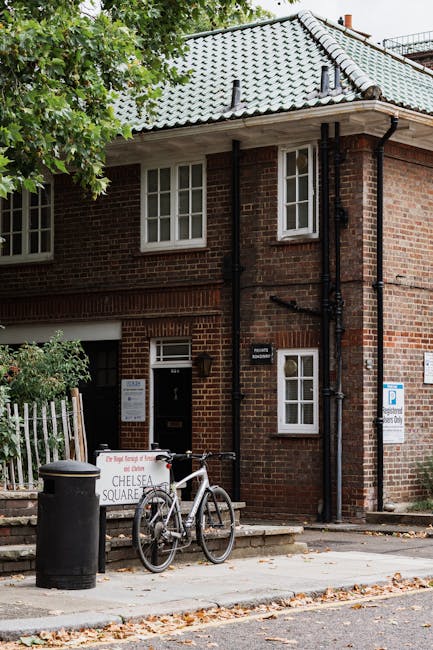
What to know about Kensington and Chelsea council cleaning rules

If you are trying to get your home, flat, shared building, or business space into shape in Kensington and Chelsea, the cleaning rules can feel a bit more complicated than they should. One minute you are thinking about bins and waste bags, the next you are wondering about pest control, pavement obstructions, communal areas, and what the council expects from residents, landlords, or cleaners. This guide to What to know about Kensington and Chelsea council cleaning rules breaks it all down in plain English, so you can avoid nuisance complaints, keep shared spaces presentable, and work in a way that is sensible, safe, and tidy. It is not glamorous, granted, but it is the kind of detail that saves hassle later.
Below, you will find a practical overview of how cleaning expectations tend to work, what matters in day-to-day life, where people usually go wrong, and how to make the whole thing easier whether you are dealing with a one-off mess, a long-term cleaning routine, or an end-of-tenancy reset.
Why Kensington and Chelsea council cleaning rules matter
Cleaning rules in Kensington and Chelsea matter because cleanliness is not just about appearance. In a dense London borough, poor cleaning habits can create complaints quickly: overflowing bins, smells in hallways, muddy entrances after wet weather, blocked shared access points, or waste left out at the wrong time. When that happens, small problems become neighbour problems. And then neighbour problems become admin problems. Nobody wants that.
The council's wider expectations around cleanliness usually sit alongside public health, environmental protection, waste disposal, and nuisance prevention. That means the real issue is not simply "does it look clean?" but "is it being managed in a way that keeps people safe, keeps shared spaces usable, and avoids creating a nuisance?"
For residents, this often shows up in the basics: keeping doorsteps clear, storing waste properly, not letting rubbish build up in communal corridors, and making sure spillages or odours are dealt with promptly. For landlords and managing agents, the stakes are higher. Shared halls, stairwells, bin areas, and entrances can reflect badly on the whole property if cleaning standards slip for even a short time.
Truth be told, most people only think about council cleaning rules after something goes wrong. A complaint lands. An inspection is mentioned. A neighbour is fed up. That is usually the moment when the details suddenly matter a lot.
How Kensington and Chelsea council cleaning rules work in practice
There is rarely one single "cleaning rulebook" that covers every situation in a simple way. Instead, the rules and expectations are usually spread across several practical areas: waste storage, fly-tipping prevention, hygiene, communal responsibility, nuisance control, and property maintenance. In real life, that means you need to think about the whole environment, not just the mop bucket.
Here is the simplest way to understand it:
- Private spaces are usually the responsibility of the occupier, owner, or managing party.
- Communal areas often need coordinated cleaning because more than one person uses them.
- External areas like front steps, pavements adjacent to the property, gutters, and patios can become an issue if dirt, waste, or water is allowed to collect.
- Waste handling is part of cleaning behaviour, because even spotless interiors can become a problem if rubbish is not stored and presented correctly.
If you live in a flat share or a mansion block, you will know the pattern already: one person is fine, one person forgets, and suddenly the hallway looks like a small disaster zone by Thursday evening. That is exactly why shared cleaning systems matter so much.
In practical terms, a compliant approach means having a routine, understanding who is responsible for what, and choosing the right type of cleaning for the problem. A regular weekly clean is very different from a post-build deep clean, and neither of those is the same as a move-out clean before inventory inspection.
If you are dealing with property upkeep more broadly, services such as regular cleaning, deep cleaning, and communal area cleaning can help keep standards steady rather than reactive.
Key benefits and practical advantages
Following council cleaning expectations brings more than just peace of mind. It tends to make daily life calmer, more predictable, and honestly less awkward. You do not get the same build-up of complaints, the same unpleasant smells, or that sense that the building is quietly slipping backwards one week at a time.
- Fewer complaints from neighbours or managing agents because shared areas stay usable and presentable.
- Better hygiene in high-touch spaces such as entrances, bin stores, and stairwells.
- Lower risk of pests and odours because waste and food residue are handled properly.
- Smoother move-outs and inspections when properties are cleaned to a sensible standard.
- Less wear and tear on floors, carpets, and upholstery because grime is removed before it settles in.
- Improved safety from fewer slip hazards, cluttered access points, and blocked walkways.
There is also a less obvious benefit: it makes everyone behave a bit better. When one flat or one office keeps standards high, others often follow. Not always, but often enough to matter.
For homes and rental properties, services such as end of tenancy cleaning, move out cleaning, and move in cleaning can be especially useful where cleanliness is tied to handover, deposit expectations, or a fresh start.
Who this is for and when it makes sense
This topic is relevant to a wider group than many people realise. It is not only for landlords or large buildings. If you live, work, manage, or clean anywhere in Kensington and Chelsea, the rules and expectations may affect you.
Residents
If you live in a flat, mansion block, house conversion, or shared building, you need to think about bins, common entrances, spills, and routine upkeep. The cleaning standard of one unit can affect everyone else, especially in older buildings where dust, damp, and foot traffic show quickly.
Landlords and managing agents
You are often the one fielding complaints if hallways, staircases, windows, or bin areas are neglected. A clean property is not just nicer to look at; it is easier to manage, easier to let, and easier to inspect. Simple enough, really.
Business owners
Shops, offices, salons, and hospitality spaces need a higher level of consistency because customers and staff notice cleanliness immediately. For that kind of setting, commercial cleaning or office cleaning may be the more practical route than ad hoc domestic-style cleaning.
Short-let hosts and property turners
If you manage a short-let or Airbnb-style property, turnaround is everything. A missed crumb, a damp bathroom floor, or a stale smell in soft furnishings can undo a lot of otherwise good work. In those cases, Airbnb cleaning and one off cleaning are often the best-fit options.
Anyone dealing with a specific cleaning issue
Sometimes the issue is not general cleanliness at all. It is a stain, an odour, a carpet problem, or post-renovation dust. Then you need a targeted clean rather than a broad general one. Think stain removal, pet stain odour removal, or after builders cleaning.
Step-by-step guidance
If you want to stay on the right side of local expectations, a straightforward process works best. No fancy system needed. Just a practical one that people can actually follow on a Monday morning.
- Identify the space
Is it a private home, shared hallway, garden, office, or external frontage? The answer changes what "clean enough" should look like. - Check who is responsible
In some places, the occupier handles everything; in others, a landlord, block manager, or cleaning contractor is responsible for communal areas. - Spot the high-risk areas
Bins, food preparation areas, entry mats, carpets, bathrooms, and shared touchpoints tend to cause the biggest headaches. - Set a realistic routine
Weekly or daily routines usually beat big catch-up cleans. Catch-up cleans are fine, but they are a bit like trying to undo a week of rain with a paper towel. - Choose the right service or method
A general tidy-up may be enough for light use. For ingrained dirt or a property handover, you may need deep cleaning or something more specific such as carpet cleaning or hard floor cleaning. - Document what was done
For landlords, agents, and businesses, a simple record of cleaning dates, issue reports, and completed tasks can save arguments later. - Review and adjust
If complaints keep happening in one area, the schedule is probably wrong. Not the people, necessarily. The schedule.
One useful habit: walk through the property as if you were visiting for the first time. That ten-second pause often reveals what regular users stop noticing. Dust on skirting boards, sticky handles, muddy corners by the entrance. Tiny things, but they add up.
Expert tips for better results
In our experience, the best results usually come from consistency rather than dramatic intervention. A good cleaning routine is boring in the best possible way. It quietly prevents bigger problems.
- Deal with spills immediately before they turn into stains or odours.
- Prioritise touchpoints such as handles, bannisters, switches, and entry doors in shared spaces.
- Use the right products for the surface so you do not damage stone, wood, upholstery, or paintwork.
- Keep external areas as important as internal ones because dirt travels inward faster than people expect.
- Rotate deep-clean tasks instead of waiting until everything looks rough at once.
- Do not ignore soft furnishings; smells and dust can linger in sofas, curtains, and mattresses for ages.
If you are cleaning a property that needs to look polished for guests, tenants, or staff, surface-level tidying is often not enough. A more detailed approach such as sofa cleaning, upholstery cleaning, curtain cleaning, or window cleaning can make the whole place feel calmer and more cared for.
And yes, a clean window really does change a room. You notice the light, especially on a pale London afternoon when everything outside looks a bit grey and the glass has just that faint film on it. Funny how that works.
Common mistakes to avoid
Most cleaning problems in Kensington and Chelsea are not caused by one huge error. They come from small, repeated oversights. The sort of things people mean to deal with "later" and then, well, later never comes.
- Leaving waste out too early or too long, which can lead to smell, pests, or complaints.
- Ignoring communal cleaning responsibilities because everyone assumes someone else will handle it.
- Using the wrong method on delicate materials, especially carpets, curtains, and stone surfaces.
- Forgetting external grime such as moss, leaf build-up, or gutter overflow.
- Trying to solve every issue with the same cleaner or routine, even when the problem is clearly different.
- Waiting until an inspection is due before doing anything serious.
One of the biggest mistakes is treating odour as a side issue. It is not. If a hallway smells damp, or a sofa smells of pets, or an oven smell is spreading through a flat, the cleanliness issue is already affecting how people experience the whole space. That is why targeted services like oven cleaning, mattress cleaning, and pet stain odour removal can be worth acting on sooner rather than later.
Tools, resources and recommendations
You do not need a cupboard full of specialist kit to keep things under control. In many cases, the basics do most of the work. The real trick is using them regularly and sensibly.
- Microfibre cloths for dust, fingerprints, and light wipe-downs.
- Bucket and mop for hard floors and entrance areas.
- Vacuum cleaner with suitable attachments for carpets, corners, and upholstery.
- Non-abrasive surface cleaner for everyday hygiene without damage.
- Bin liners and covered bins to make waste handling more controlled.
- Gloves and simple protective gear where there is risk from chemicals or waste.
For more involved jobs, it is often better to bring in a service with the right setup than to improvise. That might mean steam carpet cleaning for deep fibres, rug cleaning for decorative items, or patio cleaning when exterior areas have become slippery or stained.
If you are comparing providers, it also helps to look beyond the headline service. Check insurance and safety, review the health and safety policy, and understand the terms and conditions so there are no surprises later. Those pages may not be the exciting bit, but they are the bit that keeps things tidy behind the scenes.
If cost matters, as it usually does, you can also check pricing and quotes before booking. A clear quote is often a sign that the provider knows exactly what the job needs.
Law, compliance, standards, or best practice
When people ask about council cleaning rules, they often want to know whether there is a strict legal threshold. In many everyday cases, the answer is less dramatic than that. It is usually about reasonable cleanliness, responsible waste handling, preventing nuisance, and maintaining safe access rather than one single number or one specific checklist.
That said, best practice in this area generally includes the following:
- keeping waste contained and presented correctly for collection
- avoiding blocked access routes in communal areas
- reducing the risk of pests, odours, damp, and slipping hazards
- cleaning shared surfaces on a regular, documented schedule where appropriate
- using suitable methods for the surface, material, and environment
For landlords, property managers, and business owners, there is also a duty of care angle. If cleaning failures create a hazard, nuisance, or health concern, that becomes more than a housekeeping issue. It becomes a management issue. And in shared buildings, management issues have a habit of becoming everyone's problem at once.
For that reason, many people choose to treat the local council context as a practical standard rather than a box-ticking exercise. If a space looks, smells, and feels cared for, you are usually heading in the right direction.
Options, methods, or comparison table
Different spaces call for different cleaning approaches. A quick weekly tidy is fine for some homes. A tenancy changeover, not so much. Here is a simple comparison to help you decide what fits best.
| Method | Best for | Strengths | Limitations |
|---|---|---|---|
| Regular cleaning | Homes, offices, shared spaces with routine use | Keeps standards steady, prevents build-up, easier to maintain | May not remove ingrained dirt or long-standing stains |
| One-off cleaning | Occasional resets, events, seasonal catch-ups | Good for a clear refresh, flexible timing | Less effective if the property needs ongoing maintenance |
| Deep cleaning | Post-tenancy, neglected rooms, hygiene-sensitive areas | More thorough, tackles hidden dirt and build-up | Takes longer and usually costs more than a basic clean |
| Specialist cleaning | Carpets, upholstery, ovens, windows, stains, odours | Targets the actual problem, better finish on specific items | Not a complete solution for general housekeeping |
In practice, many properties need a mix. For example, a flat might benefit from regular cleaning each week, plus occasional carpet care and a deep clean before new tenants move in. That combination is often more realistic than trying to solve everything in one pass.
Case study or real-world example
Imagine a small Kensington flat share with a shared hallway, a compact kitchen, and a bin area at the back. Nothing extreme. Just normal London living. Over a few weeks, one resident starts putting rubbish out early, the hallway gets muddy from wet shoes, and the kitchen floor develops a sticky patch near the bin cupboard. Nobody notices at first, because everyone is rushing about.
Then a neighbour mentions the smell. A managing agent raises an eyebrow. Someone also points out the lift buttons look grubby. Suddenly the "small things" are not small anymore.
The fix in this kind of situation is usually simple, though not always glamorous:
- reset the waste routine
- clean the hallway and touchpoints properly
- deal with the sticky floor and any odours
- assign basic responsibilities for shared areas
- schedule a recurring clean before the mess becomes visible again
In that scenario, a combination of communal area cleaning, regular cleaning, and stain removal would usually be far more effective than waiting for the issue to escalate. And yes, it is easier to prevent a hallway from becoming "that hallway" than it is to recover it afterwards.
Practical checklist
Use this checklist if you want a quick sanity check before cleaning or booking a service.
- Have you identified whether the area is private, shared, or external?
- Do you know who is responsible for the space?
- Have waste and bins been handled correctly?
- Are high-touch surfaces being cleaned often enough?
- Have carpets, rugs, or upholstery been assessed separately?
- Is there any sign of odour, damp, or pest risk?
- Do any stains, spillages, or build-up need specialist treatment?
- Are walkways, entrances, and access points free from clutter?
- Is there a routine in place, not just a reaction plan?
- Do you need a one-off reset or an ongoing service?
If the answer to several of those is "not quite", then a more structured cleaning plan is probably overdue. That is not a failure. It is just property management being property management.
Get a free quote today and see how much you can save.
Conclusion
The main thing to remember about Kensington and Chelsea cleaning expectations is that they are usually about practical responsibility. Keep spaces tidy, keep waste under control, do not let shared areas slide, and deal with problems before they turn into complaints. Simple on paper. A bit messier in real life, naturally.
If you approach it as a routine rather than a rescue mission, life gets easier. Shared buildings stay calmer, homes feel fresher, and business spaces look more professional without constant firefighting. That is the real value here. Not perfection. Just a property that feels looked after.
And if the job is bigger than a quick sweep and wipe, there is no shame in getting help. Sometimes the sensible choice is the best one, even if it is not the most exciting one.
Frequently Asked Questions
What are Kensington and Chelsea council cleaning rules really about?
They are mainly about keeping properties, communal areas, and surrounding spaces clean, safe, and free from nuisance. That includes waste handling, hygiene, and general upkeep rather than one tiny rulebook for every scenario.
Do the rules apply to private homes as well as shared buildings?
Yes, but in different ways. Private homes are usually the occupier's responsibility, while shared buildings and communal areas often need coordinated cleaning and clearer responsibility.
What is the biggest mistake people make?
Leaving small problems too long. A bit of rubbish, a stained carpet, or a dirty hallway can quickly become a complaint if nobody deals with it promptly.
How often should communal areas be cleaned?
That depends on the property and foot traffic, but regular cleaning is usually the safest approach. In busy buildings, a weekly tidy is often not enough.
Is deep cleaning better than regular cleaning?
They do different jobs. Regular cleaning keeps things under control. Deep cleaning tackles build-up and hidden dirt. Most properties benefit from both at different times.
Can council cleaning expectations affect my tenancy or deposit?
They can, indirectly. If a property is left dirty or damaged, it may affect inventory outcomes, landlord complaints, or handover expectations.
What should I do about odours in carpets or upholstery?
Do not ignore them. Odours often come from trapped dirt, spills, or pet accidents. Targeted services such as carpet or upholstery cleaning can help more than a general wipe-down.
Are landlords responsible for cleaning shared hallways?
Often, yes, if the hallway is communal or part of the managed property. The exact responsibility depends on the building setup and agreement, so it is worth checking who is meant to handle it.
What cleaning service makes sense before moving out?
For most people, end of tenancy cleaning is the best starting point. Depending on the condition of the property, move out cleaning or specialist stain and carpet care may also be needed.
Do I need professional help for council-related cleaning concerns?
Not always. Small issues can be handled in-house. But if the property has repeated complaints, heavy build-up, or specialist surfaces, professional help can save time and avoid mistakes.
Which areas are most likely to cause problems?
Bin stores, entrances, shared stairwells, kitchen floors, bathrooms, carpets, and soft furnishings tend to show issues first. They are the areas people notice right away.
What should I check before hiring a cleaning provider?
Look at pricing, insurance and safety, health and safety policies, and terms and conditions. A clear provider is usually easier to trust than one that feels vague.