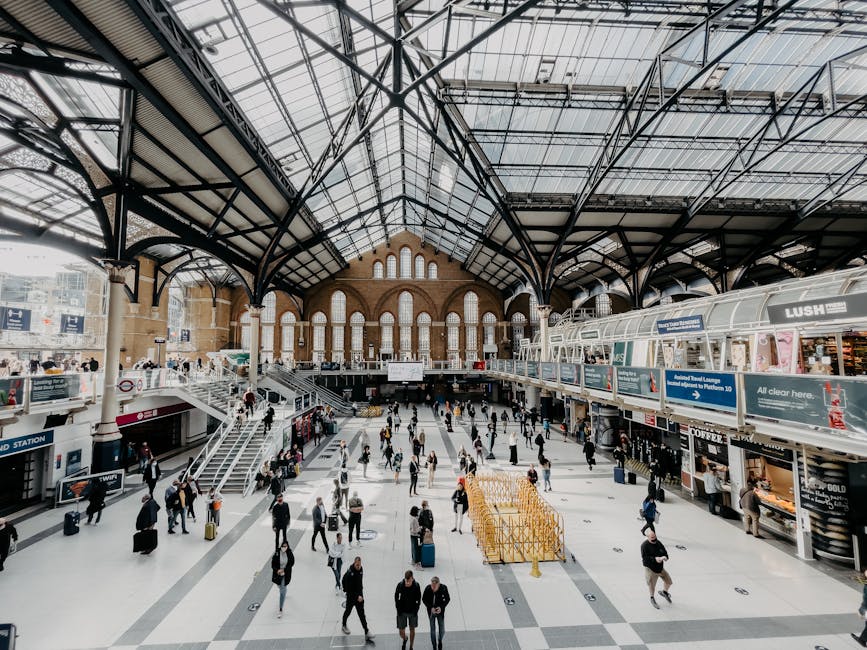
West Brompton station emergency carpet cleaning guide

If you have just had a spill, leak, muddy footprint trail, or an unfortunate pet accident near West Brompton station, you probably do not need a lecture. You need a calm, practical plan right now. This West Brompton station emergency carpet cleaning guide is written for exactly that moment: when the carpet looks worse than it did five minutes ago, the clock feels annoying, and you want to stop a small mess turning into a lasting stain or smell.
Emergency carpet cleaning is really about speed, the right first response, and knowing when to stop DIY and call in proper help. That matters whether the carpet is in a flat, a reception area, a rental property, a shop, or a shared building close to the station. To be fair, panic usually does more damage than the spill itself. A few sensible steps can save a lot of grief.
In the sections below, you will get a straight-talking guide to what to do first, what not to do, how professional cleaning usually works, and how to choose the right service for a fast turnaround. There is also a checklist, a comparison table, and FAQs for the common questions people ask when they need help in a hurry.
Why West Brompton station emergency carpet cleaning guide Matters
When a carpet is stained or soaked, the first hour can matter more than anything else. Heat, friction, and the wrong cleaning product can set a stain deeper into the fibres. Moisture left too long can create a musty smell, and in some cases encourage mould in underlay or skirting areas. If the carpet is in a busy home or business near West Brompton station, the problem can spread fast because people keep walking over it. The stain gets ground in. The smell lingers. It becomes a bigger job, and usually a dearer one too.
That is why emergency carpet care is not just about appearance. It is about preserving the carpet structure, protecting indoor air quality, and avoiding disruption. In a hallway, stairwell, office, or letting property, a quick response can also reduce complaints from neighbours, tenants, guests, or staff. If you manage a building, a communal area cleaning routine can make emergencies less stressful because everyone already knows what happens next.
And let's face it, the West Brompton area can be a bit unforgiving for carpets. Wet shoes, travel grime, coffee on the go, and the occasional rain-soaked day all show up quickly on light flooring. Nothing dramatic there. Just real life.
Expert summary: The fastest way to protect a carpet after an accident is to blot, contain, identify the stain type, use minimal water, and avoid scrubbing. If there is a large wet area, a greasy spill, or a set-in odour, professional extraction is usually the safer route.
How West Brompton station emergency carpet cleaning guide Works
Emergency carpet cleaning is usually a two-stage process. First comes the immediate response at the scene. Second comes the deeper cleaning or restoration step once the area is stable. That might be a spot treatment, hot water extraction, steam carpet cleaning, or a targeted stain removal treatment depending on the fibre and the type of contamination.
In practical terms, a cleaner will look at four things before doing much at all:
- The carpet fibre - wool, synthetic, blend, or delicate pile
- The type of stain - drink, food, mud, pet accident, ink, grease, or water damage
- The size of the affected area - a small patch or a wider spill
- The risk of damage - colour loss, wicking, shrinkage, or backing saturation
If the spill is fresh, the aim is to prevent it from sinking deeper. If it has already dried, the goal is to loosen the residue without destroying the pile or leaving a water ring. For stubborn stains, a specialist may use a targeted treatment from the broader stain removal approach before full cleaning. For odour-related issues, especially with pets, a tailored pet stain odour removal process can be more effective than a standard clean.
Truth be told, a good emergency clean is not glamorous. It is methodical. Lots of blotting, careful testing, and controlled moisture. Not very exciting, but it works.
Key Benefits and Practical Advantages
There are plenty of reasons to act quickly, but the biggest benefit is simple: you improve the odds of saving the carpet rather than replacing it. That alone can make the difference between a minor inconvenience and a much larger expense.
- Less permanent staining: Fast action stops liquids bonding deeply with fibres.
- Reduced odour: Early treatment limits sour smells, damp smells, and pet odours.
- Better appearance: A cleaned patch blends better with the surrounding pile.
- Lower risk of hidden damage: Prompt drying helps protect the backing and underlay.
- Less disruption: In homes and businesses, a fast turnaround keeps rooms usable.
- Better hygiene: This matters after food spills, soiling, or drink leaks.
For landlords and tenants, emergency cleaning can also reduce the stress that comes with inventory checks and move-out deadlines. If you are already juggling boxes and keys, a quick clean can be one less thing on the list. A one-off visit may be a better fit than a general routine, which is where one-off cleaning often makes sense.
For commercial spaces, the benefit is slightly different. It is about keeping the place presentable, safe to walk on, and professional-looking. That is where commercial carpet cleaning and wider commercial cleaning support can help if the problem is more than a single spot.
Who This Is For and When It Makes Sense
This guide is useful if you are a homeowner, tenant, landlord, letting agent, office manager, shop owner, Airbnb host, or building manager around West Brompton station. In other words, anyone who has carpets and real-world messes. Which is most people, really.
You are probably in the right place if:
- someone has dropped tea, coffee, wine, or food on the carpet
- a pet has had an accident and the smell is starting to settle in
- mud and rainwater have been walked through the property
- there has been a leak, overflow, or damp patch on a carpeted floor
- you need to clear a stain before a viewing, checkout, or business opening
- the carpet has been left with a sticky or greasy patch after a busy day
Sometimes the issue is urgent but small. A couple of square inches, maybe. At other times it is more serious, like a full room with a wet carpet edge or repeated soiling in a shared area. If the mess is connected to move-out timing, a service such as end of tenancy cleaning or move-out cleaning may be worth considering because the carpet problem is only one part of the handover.
Emergency carpet cleaning also makes sense in furnished rentals and short-stay properties. A fast response can protect your next booking, and if the issue includes sofas or chairs, sofa cleaning or broader upholstery cleaning may be needed at the same time. Not ideal, but manageable.
Step-by-Step Guidance
If you are dealing with a fresh spill now, use this practical sequence. It is simple on purpose. In an emergency, simple beats clever.
- Stop the source. If a cup is spilling, a pet is still nearby, or a leak is ongoing, deal with that first.
- Blot, do not rub. Use clean absorbent cloths or paper towel to lift liquid from the surface.
- Work from the outside in. This helps stop the stain spreading wider.
- Test a small area. If you use any cleaning product, check a hidden patch first.
- Use only light moisture. Over-wetting can push the stain deeper and leave a bigger problem.
- Lift residue gently. For solids, scrape carefully with a spoon or dull edge before cleaning.
- Dry the area properly. Open windows where possible and use airflow, not heat blasting.
- Escalate if needed. If the stain remains, smells, or covers a larger area, get professional help.
For many everyday accidents, a dry towel and patience do most of the early work. The mistake people make is rushing in with too much cleaner. A splash of product can turn into a halo, a sticky patch, or a discoloured mark. Not ideal.
If the carpet is in a busy home, a regular cleaning plan can make the emergency step easier because the fibres are not already loaded with dust and residue. And if you are dealing with a deeper build-up rather than a single spill, deep cleaning is usually the more sensible choice.
What to do for common spill types
- Tea or coffee: Blot quickly, use cool water sparingly, and avoid aggressive scrubbing.
- Wine: Act fast before the colour sets; blot patiently rather than chasing the stain around.
- Mud: Let it dry slightly, lift solids, then vacuum before spot treating.
- Pet accidents: Remove contamination, treat the odour source, and dry thoroughly.
- Grease or food oil: Avoid soaking with water; a specialist treatment is often better.
Expert Tips for Better Results
The small details matter here. A lot. Good emergency cleaning is partly technique and partly restraint.
- Use white cloths rather than coloured towels. That way, you do not transfer dye to the carpet.
- Keep the pressure light. Pressing down hard can force liquid into the underlay.
- Do not overuse detergent. Excess soap leaves residue that attracts dirt later.
- Dry the carpet in stages. Faster is better, but not by blasting with extreme heat.
- Work out the fibre type first. Wool and delicate blends need a different touch from synthetic fibres.
- Use a vacuum after drying if appropriate. This helps lift the pile and remove loosened particles.
A good local cleaner will often recommend the least invasive method that still solves the issue. That might be a spot treatment, or it might be steam carpet cleaning where appropriate. For a standard refresh with a bit more depth, carpet cleaning is often the most balanced option. For very light maintenance, some people look at steam carpet cleaning when they want a thorough clean with quicker drying than they expect from older methods.
One small but useful tip: photograph the stain before you touch it, especially in rental or managed spaces. It sounds fussy. It is actually just smart record-keeping.
Common Mistakes to Avoid
The wrong reaction can make a fresh problem much harder to fix. These are the mistakes that cause the most trouble in practice.
- Rubbing hard: This pushes the stain deeper and can roughen the pile.
- Using too much water: A soaked carpet may look clean at the top but still be dirty underneath.
- Applying random household chemicals: Bleach, strong solvents, or multi-surface sprays can damage fibres and backing.
- Skipping a test patch: A small hidden check can prevent a much bigger disaster.
- Leaving it damp: Lingering moisture can produce smell, mould risk, and wicking later.
- Ignoring the underlay: What you see on the surface may only be part of the problem.
Another common one is trying to solve every stain with the same method. That rarely works. Mud, milk, wine, grease, and pet accidents each need different handling. The carpet does not care what the stain was called on the internet; it only reacts to what you actually put on it.
Tools, Resources and Recommendations
You do not need a trolley full of specialist kit to handle the first stage of an emergency, but a small sensible set of tools helps a lot.
- clean white microfibre cloths or plain absorbent towels
- a vacuum cleaner with decent suction
- a soft brush or carpet rake for lifting pile after drying
- a bowl of cool water for gentle blotting if needed
- gloves for hygiene when dealing with body fluids or pet accidents
- paper towels for initial containment
If the situation is beyond simple spot treatment, a professional may use specialist equipment for extraction, odour neutralisation, and fibre-safe cleaning. For larger or more delicate jobs, you may also need related services. For example, if the spill spread onto curtains or furniture, curtain cleaning or sofa cleaning can help restore the whole room rather than just one visible patch.
If the carpet issue is happening during a wider property reset, it may be efficient to combine it with move-in cleaning, house cleaning, or even domestic cleaning. For commercial settings, a cleaner plan often sits alongside office cleaning or broader scheduled cleaning.
Law, Compliance, Standards, or Best Practice
For emergency carpet cleaning, the legal side is usually more about general duty of care, safe product use, and sensible record-keeping than any single dramatic rule. In a workplace, managers should be mindful of slip risks, chemical handling, and keeping walkways safe while the carpet dries. In rental or managed properties, it is also sensible to document damage, the response taken, and any follow-up work.
Best practice in the UK typically means using appropriate cleaning products, checking the manufacturer guidance for the carpet where available, and avoiding unsafe mixing of chemicals. If a cleaner is working in a shared building or business premises, they should also take care around trip hazards, ventilation, and occupied spaces. Common sense, really, but common sense is often the first thing to vanish when there is a visible stain and somebody is rushing.
If you are choosing a provider, it is fair to ask about insurance, safety procedures, and how they handle delicate materials. A trustworthy company should be happy to explain its process. You can also look at pages such as insurance and safety information, the health and safety policy, and the terms and conditions before booking. That is not overcautious. It is just decent practice.
If access, inclusion, or complaints handling matter for your building or organisation, the related site information on accessibility and the complaints procedure can also be useful. Those pages do not clean carpets, of course, but they do help set expectations. And that matters when something has already gone a bit sideways.
Options, Methods, or Comparison Table
Different emergency situations call for different approaches. Here is a plain-English comparison to help you choose the right one.
| Method | Best for | Pros | Watch-outs |
|---|---|---|---|
| Blotting and spot treatment | Fresh small spills | Fast, cheap, low risk | May not remove deep residue |
| Vacuum and dry lift | Mud, crumbs, dried surface debris | Prevents grinding dirt in | Not enough for staining liquids |
| Targeted stain removal | Specific marks like wine, coffee, grease | More precise, fibre-aware | Needs correct product and technique |
| Steam carpet cleaning | General deep clean or larger contamination | Thorough, good for refreshed appearance | May need drying time |
| Professional extraction | Wider spills, odours, heavily soiled areas | Stronger removal of liquid and residue | Usually more costly than DIY spot care |
If the carpet is delicate, the safest option can be less aggressive than you first imagine. A wool carpet in a period property, for example, might need a careful extraction rather than a heavy soak. If the issue is more general grime than one accident, rug cleaning can also be relevant if the problem is on a movable rug rather than fitted carpet.
Case Study or Real-World Example
Imagine this: it is a wet weekday evening and someone rushes into a flat near West Brompton station carrying takeaway coffee. The cup tips. Not a lot. Just enough to leave a dark splash across the sitting room carpet and a couple of drops reaching toward the hallway. The carpet is pale, and everyone does that tiny inhale you do when you know things are about to get annoying.
The best response is not a frantic search for the strongest cleaner in the cupboard. It is to blot immediately, stop the spread, and identify whether the liquid is mostly water, milk, or something sugary. In this sort of case, a quick rinse with limited cool water, careful blotting, and airflow can help. If the stain is still visible after drying, a tailored stain treatment is the next sensible step. If it has started to smell or the backing feels damp, a professional visit becomes much more worthwhile.
That same evening, another common scenario might be a small office lobby near the station where a client has walked in through rain and dragged grit across the entrance carpet. There is no dramatic spill, just a mixture of damp dirt and shoe marks. A spot clean alone may not be enough. A proper commercial clean, possibly combined with hard floor cleaning at the threshold, gives a better overall result and saves the area from looking tired before its time.
The pattern is usually the same. Calm first response. The right method. Then a full clean if needed. Simple on paper, yes, but it saves a lot of headaches in real life.
Practical Checklist
Use this quick checklist when you need to act fast.
- Identify the spill or contamination source.
- Remove solid residue carefully without rubbing.
- Blot the area with clean absorbent cloths.
- Avoid using excess water.
- Test any cleaning product on a hidden patch first.
- Keep foot traffic away from the damp area.
- Improve airflow to help drying.
- Check for remaining stain, odour, or dampness after it dries.
- Escalate to a professional if the mark persists or the area is large.
- Photograph the damage if you need records for a landlord, tenant file, or business report.
Quick takeaway: the earlier you respond, the more likely you are to save the carpet and avoid a bigger clean later. That is the whole game, really.
Conclusion
A carpet emergency near West Brompton station does not need to become a full disaster. If you act quickly, keep the process simple, and avoid the usual mistakes, there is a very good chance you can protect the fibres, reduce staining, and limit odour. For small fresh spills, careful blotting and light treatment may be enough. For larger, older, or smell-heavy problems, professional cleaning is often the smarter call.
What matters most is choosing the right response for the situation in front of you, not the one you wish you had. That sounds obvious, but in a real panic people forget it. A little patience goes a long way. So does the right kit, a sensible method, and a bit of local know-how.
If you want expert help with a stubborn stain, a damp patch, or a fast turnaround before guests, tenants, or customers arrive, get in touch with a trusted team that can assess the carpet properly and recommend the right next step.
Get a free quote today and see how much you can save.
Frequently Asked Questions
What should I do first after a carpet spill near West Brompton station?
Blot the spill immediately with a clean absorbent cloth, work from the outside in, and avoid rubbing. If the liquid is still spreading, stop the source first. Quick action is usually the biggest advantage.
Can I use hot water on a fresh carpet stain?
Not usually. Hot water can set certain stains, especially protein-based marks, and may drive colour deeper into the fibres. Cool water is often the safer starting point, but only in small amounts.
When does a carpet stain need professional cleaning?
If the stain is large, greasy, smelly, old, or keeps returning after drying, it is usually time for a professional clean. A specialist can also check whether the underlay has been affected.
How do I stop a pet accident smell from coming back?
Clean the area promptly, treat the source of the odour rather than just the surface, and dry the carpet properly. If the smell persists, a targeted pet stain odour removal treatment is often the better route.
Is steam cleaning good for emergency carpet situations?
It can be, especially where the carpet needs a deeper clean after a spill or heavy soiling. That said, not every emergency calls for steam. Some fibres and stains do better with targeted treatment first.
How long does a carpet take to dry after emergency cleaning?
Drying time depends on the method used, airflow, carpet thickness, and how wet the carpet became. A small spot may dry fairly quickly; a deeper clean or extraction usually takes longer.
Can I walk on the carpet while it is still damp?
It is better not to, if you can avoid it. Walking on a damp carpet can push dirt back in and flatten the fibres. If you must cross it, use clean socks or protective coverings, but keep it minimal.
What if the stain has already dried?
Dried stains are harder, but not hopeless. You may need a careful pre-treatment before the main clean. Avoid aggressive scrubbing, because that often makes things worse rather than better.
Should I clean the carpet myself or book a professional straight away?
For a tiny fresh spill, DIY is often fine if you are careful. For larger stains, odours, or valuable carpets, professional help is usually safer and can save time in the long run.
Can emergency carpet cleaning help before a move-out inspection?
Yes. A quick response can improve the carpet's appearance before checkout or inventory review. If the issue is part of a wider handover, move-out cleaning can be a sensible option alongside carpet treatment.
What is the biggest mistake people make with carpet stains?
Scrubbing. It feels productive, but it often drives the stain deeper, frays the pile, and leaves a wider mark. Blotting is slower, but usually far better.
Are emergency carpet cleaning services useful for offices too?
Absolutely. Offices, receptions, and shared spaces can look tired fast after a spill or muddy traffic. A prompt commercial clean helps keep the space professional and safe to use.